

Motorola Edge 50 Fusion vs Samsung Galaxy A55 5G: Comparison
Comparison of features, performance, design, battery, camera and connectivity between the following smartphones: Motorola Edge 50 Fusion vs Samsung Galaxy A55 5G. The complete information of specifications to decide which to buy.
- Motorola Edge 50 FusionGlobal · 8GB · 256GB
- Samsung Galaxy A55 5GGlobal · 8GB · 128GB · SM-A556B


Basics |
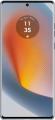
Motorola Edge 50 Fusion
Global · 8GB · 256GB
View datasheet
vs
|
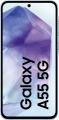
Samsung Galaxy A55 5G
Global · 8GB · 128GB · SM-A556B
View datasheet
vs
|
|---|
|
Motorola Edge 50 Fusion Global · 8GB · 256GB |
Samsung Galaxy A55 5G Global · 8GB · 128GB · SM-A556B |
|
|---|---|---|
| Ki Cost-effective Score |
8.3
Ki Cost-effective Score |
8.1
Ki Cost-effective Score |
| Design and Screen score | 8.8Design & Materials | 6.7Design & Materials |
| Performance and Hardware score | 6.8Performance & Hardware | 6.8Performance & Hardware |
| Camera score | 7.4Camera | 7.9Camera |
| Connectivity score | 7.7 Connectivity | 8.0 Connectivity |
| Battery score | 7.0 Battery | 6.8 Battery |
|
Motorola Edge 50 Fusion Global · 8GB · 256GB |
Samsung Galaxy A55 5G Global · 8GB · 128GB · SM-A556B |
|
|---|---|---|
| User score |
9.0
67 reviews
|
8.9
121 reviews
|
Technical specifications of the Motorola Edge 50 Fusion vs Samsung Galaxy A55 5G
| Specs |
 Motorola Edge 50 Fusion
Global · 8GB · 256GB |
 Samsung Galaxy A55 5G
Global · 8GB · 128GB · SM-A556B |
|---|---|---|
| Inches | 6.7" | 6.6" |
| Resolution | FHD+ | FHD+ |
| Usable surface | 91% useful | 85% useful |
| Aspect Ratio | 20:9 | 19.5:9 |
| Dimensions |
73.1 mm
161.9 mm 7.9 mm |
77.4 mm
161.7 mm 8.2 mm |
| Weight | 175 g | 213 g |
| Micro |
SnapD. 7s Gen2 Octa-Core |
Exynos 1480 Octa-Core |
| RAM | 8 GB RAM | 8 GB RAM |
| Storage | 256 GB | 128 GB |
| AnTuTu |
603.451 v10 |
713.393 v10 |
| Battery | 5000 mAh | 5000 mAh |
| Main Camera |
1
50 Mpx · ƒ/1.8 LYT-700C 2 |
1
50 Mpx · ƒ/1.8 IMX906 2 3 |
| Selfie Camera | SELF 32 Mpx · ƒ/2.45 | SELF 32 Mpx · ƒ/2.2 |
| Bands | ||
| OS | Android 15 | Android 14 Upside-down cake |
About this comparison
When it comes to choosing a new smartphone, there are so many options available on the market that it can be overwhelming to decide which one is best for you. In this article, we will compare two mid-range smartphones that were released in 2024: the Motorola Edge 50 Fusion and the Samsung Galaxy A55 5G.
First up, let's take a look at the Motorola Edge 50 Fusion. This smartphone is a part of the well-known Motorola brand and was released in April 2024. It falls into the mid-range category and offers a range of impressive features.
In terms of design and materials, the Motorola Edge 50 Fusion boasts a screen pOLED display measuring 6.70 inches with a resolution of 1080x2400 (FHD+). The screen has a refresh rate of 144 Hz, peak brightness of 1600 cd/m², and a contrast ratio of 5000000:1. Additionally, it features a dual-edge display and supports HDR10+. The phone is made with faux leather and polycarbonate materials, while the glass is protected by Corning Gorilla Glass 5. The usable surface on the front of the phone is an impressive 91.1%.
Moving on to the hardware specifications, the Motorola Edge 50 Fusion is powered by a Qualcomm Snapdragon 7s Gen2 processor (SM-7435AB) built on a 4nm process. It comes with either 8GB or 12GB of LPDDR4X RAM and storage options of 128GB, 256GB, or 512GB of UFS Storage 2.2. The phone has received an AnTuTu score of 776541 and features a fingerprint display for security.
When it comes to the camera system, the Motorola Edge 50 Fusion sports a dual-camera setup. The main camera is a Sony LYT-700C with 50.0Mpx and f/1.8 aperture, while the wide-angle and macro lens is a Hynix Hi-1336 with 13.0Mpx and f/2.2 aperture. The selfie camera is a Samsung S5KJD1 with 32.0Mpx and f/2.45 aperture. Other camera features include optical stabilization (OIS) and the ability to shoot 4K videos.
In terms of connectivity, the Motorola Edge 50 Fusion supports Bluetooth 5.3, dual SIM capability, NFC, GPS with L1+L5 bands, and eSIM technology.
The battery on the Motorola Edge 50 Fusion has a capacity of 5000mAh and supports fast charging at 68.0W, as well as reverse charging functionality.
Now, let's move on to the Samsung Galaxy A55 5G. This smartphone hails from the popular Samsung brand and was released in March 2024 as another mid-range option.
In terms of design and materials, the Samsung Galaxy A55 5G features a 6.60-inch Super AMOLED display with a resolution of 1080x2340 (FHD+). The screen has a refresh rate of 120 Hz and a brightness of 500 cd/m² (typical), with HDR10+ support. The phone is made with a combination of aluminium and plastic materials, with Corning Gorilla Glass Victus protecting the display. The usable surface on the front of the phone is slightly lower at 85%.
Under the hood, the Samsung Galaxy A55 5G is powered by an Exynos 1480 processor built on a 4nm process. It comes with either 8GB or 12GB of LPDDR4X RAM and storage options of 128GB or 256GB. The phone also supports external storage via a MicroSD card slot in the tray. The AnTuTu benchmark score for this device is 713393, and it features a fingerprint display for security. Additionally, the Samsung Galaxy A55 5G includes a linear motor for enhanced tactile feedback.
The camera system on the Samsung Galaxy A55 5G comprises a triple-camera setup. The main camera is a Sony IMX906 with 50.0Mpx and f/1.8 aperture, while the wide-angle lens is a Sony IMX258 with 13.0Mpx and f/2.2 aperture. The macro lens has 5.0Mpx and f/2.4 aperture. For selfies, the phone features a Sony IMX616 with 32.0Mpx and f/2.2 aperture. Similar to the Motorola Edge 50 Fusion, this phone also includes optical stabilization (OIS) and 4K video recording capabilities.
In terms of connectivity, the Samsung Galaxy A55 5G supports Bluetooth 5.3, dual SIM functionality, NFC, WiFi 6 (802.11ax), and eSIM technology.
The battery on the Samsung Galaxy A55 5G has a capacity of 5000mAh and supports fast charging at 25.0W.
In conclusion, both the Motorola Edge 50 Fusion and the Samsung Galaxy A55 5G offer impressive features and specifications for mid-range smartphones. Ultimately, the choice between these two devices will come down to individual preferences such as brand loyalty, design aesthetics, and specific features that may be more important to you.
Whether you prefer the Motorola brand with its faux leather design and faster charging capabilities, or the Samsung brand with its Super AMOLED display and enhanced tactile feedback, both of these smartphones are solid options to consider in the mid-range market segment.
|
Motorola Edge 50 Fusion Global · 8GB · 256GB |
Samsung Galaxy A55 5G Global · 8GB · 128GB · SM-A556B |
|
|---|---|---|
| Brand | Motorola | Samsung |
| Aliases | -- | SM-A556B, SM-A556B/DS |
|
Motorola Edge 50 Fusion Global · 8GB · 256GB |
Samsung Galaxy A55 5G Global · 8GB · 128GB · SM-A556B |
|
|---|---|---|
| Release date |
April 2024, 2 years ago |
March 2024, 2 years ago |
| State | On Sale | On Sale |
| Market | Global | Global |
Design & Materials
Structure
|
Motorola Edge 50 Fusion Global · 8GB · 256GB |
Samsung Galaxy A55 5G Global · 8GB · 128GB · SM-A556B |
|
|---|---|---|
| Size |
73.1 mm
•
161.9 mm
•
7.9 mm
Print 3D Model
See more details
|
77.4 mm
•
161.7 mm
•
8.2 mm
Print 3D Model
See more details
|
| Weight | 175 g | 213 g |
| Usable surface | 91 % | 85 % |
| Materials | Polycarbonate, Faux leather | Plastic, Aluminium |
| Resistance | IP68 | IP67 |
| Colors |
Blue
Pink
Gray
Green
Cyan
Metallic Rose
|
Black
White
Blue
Violet
Lime
|
|
Motorola Edge 50 Fusion Global · 8GB · 256GB |
Samsung Galaxy A55 5G Global · 8GB · 128GB · SM-A556B |
|
|---|---|---|
| Diagonal | 6.7" | 6.6" |
| Type | pOLED | Super AMOLED |
| Aspect Ratio | 20:9 | 19.5:9 |
| Resolution |
FHD+ 1080 x 2400 px |
FHD+ 1080 x 2340 px |
| Density | 393 Pixels per inch | 403 Pixels per inch |
Others
- Hole-punch Notch
- Refresh rate 144 Hz
- Touch sampling rate 360 Hz
- Peak brightness - 1600 cd/m²
- 5000000:1 contrast ratio
- HDR10+
- DCI-P3
- 10 Bits panel
- Scratch resistant
- Dual Edge display
- Corning Gorilla Glass 5
- 3D curved glass screen
- Capacitive
- Multi-touch
- Frameless
- Hole-punch Notch
- Refresh rate 120 Hz
- Brightnes 500 cd/m² (typ)
- Always-On Display
- HDR10+
- Scratch resistant
- 2.5D curved glass screen
- Corning Gorilla Glass Victus
- Capacitive
- Multi-touch
- Frameless
User reviews
Performance & Hardware
|
Motorola Edge 50 Fusion Global · 8GB · 256GB |
Samsung Galaxy A55 5G Global · 8GB · 128GB · SM-A556B |
|
|---|---|---|
| Model | Qualcomm Snapdragon 7s Gen2 (SM-7435AB) | Exynos 1480 |
| CPU | 4x2.4GHz Cortex A78 +4x1.95GHz Cortex A55 | 4x2.75GHz Cortex-A78 + 4x2.05GHz Cortex-A55 |
| Type | Octa-Core | Octa-Core |
| Manufacturing | 4 nm | 4 nm |
| 64 Bits | Yes | Yes |
|
Motorola Edge 50 Fusion Global · 8GB · 256GB |
Samsung Galaxy A55 5G Global · 8GB · 128GB · SM-A556B |
|
|---|---|---|
| GPU | Adreno 710 | Samsung Xclipse 530 |
|
Motorola Edge 50 Fusion Global · 8GB · 256GB |
Samsung Galaxy A55 5G Global · 8GB · 128GB · SM-A556B |
|
|---|---|---|
| RAM | 8 GB | 8 GB |
| Type | LPDDR4X RAM | LPDDR4X RAM |
|
Motorola Edge 50 Fusion Global · 8GB · 256GB |
Samsung Galaxy A55 5G Global · 8GB · 128GB · SM-A556B |
|
|---|---|---|
| Score |
603.451
Antutu v10
Overall performance better than 76% of devices
See more details
|
713.393
Antutu v10
Overall performance better than 78% of devices
See more details
|
|
Motorola Edge 50 Fusion Global · 8GB · 256GB |
Samsung Galaxy A55 5G Global · 8GB · 128GB · SM-A556B |
|
|---|---|---|
| Capacity | 256 GB | 128 GB |
| Type | UFS Storage 2.2 | UFS Storage 3.1 |
| SD Slot | No |
Yes
, Slot for SD or second SIM card |
|
Motorola Edge 50 Fusion Global · 8GB · 256GB |
Samsung Galaxy A55 5G Global · 8GB · 128GB · SM-A556B |
|
|---|---|---|
| Fingerprint | Yes, in screen | Yes, in screen |
|
Motorola Edge 50 Fusion Global · 8GB · 256GB |
Samsung Galaxy A55 5G Global · 8GB · 128GB · SM-A556B |
|
|---|---|---|
| Sensors |
|
|
Audio
- Dolby Atmos
- Stereo Speakers
- 2 microphones
- Dolby Atmos
- Hi-Res Audio
- Stereo Speakers
|
Motorola Edge 50 Fusion Global · 8GB · 256GB |
Samsung Galaxy A55 5G Global · 8GB · 128GB · SM-A556B |
|
|---|---|---|
| Notifications LED | -- | -- |
| Cooling system | No | No |
| Gaming buttons | No | No |
User reviews
Camera
|
Motorola Edge 50 Fusion Global · 8GB · 256GB |
Samsung Galaxy A55 5G Global · 8GB · 128GB · SM-A556B |
|
|---|---|---|
| No. of cameras | Double rear camera | Triple rear camera |
| 1 Camera type |
Standard |
Standard |
| Resolution | 50 Mpx | 50 Mpx |
| Aperture | ƒ/ 1.8 | ƒ/ 1.8 |
| Optical zoom | -- | -- |
| View angle | -- | -- |
| Sensor | Sony LYT-700C | Sony IMX906 |
| Type | CMOS | CMOS BSI 2 |
| ISO | -- | -- |
| Pixel size | 1.00 µm | 1.00 µm |
| Pixel Binning | 1-4 (2x2) | 1-4 (2x2) |
| Sensor size | 1/1.56" | 1/1.56" |
Camera type
Wide Angle + Macro
Wide Angle lens
Camera type
Macro lens
|
Motorola Edge 50 Fusion Global · 8GB · 256GB |
Samsung Galaxy A55 5G Global · 8GB · 128GB · SM-A556B |
|
|---|---|---|
| Flash | LED | LED |
| Optical Stabilisation | Yes | Yes |
| Slow Motion Video |
Yes, 960 fps |
Yes, 240 fps |
| Others |
|
|
|
Motorola Edge 50 Fusion Global · 8GB · 256GB |
Samsung Galaxy A55 5G Global · 8GB · 128GB · SM-A556B |
|
|---|---|---|
| SELF Camera type |
Dedicated |
Dedicated |
| Resolution | 32 Mpx | 32 Mpx |
| Aperture | ƒ/ 2.45 | ƒ/ 2.2 |
| Optical zoom | -- | -- |
| View angle | -- | -- |
| Sensor | Samsung S5KJD1 | Sony IMX616 |
| Type | ISOCELL | CMOS |
| Pixel size | 0.70 µm | 0.80 µm |
| Pixel Binning | -- | 1-4 (2x2) |
| Sensor size | 1/3.14" | 1/2.8" |
|
Motorola Edge 50 Fusion Global · 8GB · 256GB |
Samsung Galaxy A55 5G Global · 8GB · 128GB · SM-A556B |
|
|---|---|---|
| DxOMark Score | -- |
108 Mobile 110 Photo 117 Video |
User reviews
Connectivity
Network compatibility
|
Motorola Edge 50 Fusion Global · 8GB · 256GB |
Samsung Galaxy A55 5G Global · 8GB · 128GB · SM-A556B |
|
|---|---|---|
| 5G |
|
|
| 4G LTE |
|
|
| 3G |
|
|
| 2G |
|
|
|
Motorola Edge 50 Fusion Global · 8GB · 256GB |
Samsung Galaxy A55 5G Global · 8GB · 128GB · SM-A556B |
|
|---|---|---|
| Dual SIM | Dual Sim Dual Standby | Dual Sim Dual Standby |
| Type |
|
|
|
Motorola Edge 50 Fusion Global · 8GB · 256GB |
Samsung Galaxy A55 5G Global · 8GB · 128GB · SM-A556B |
|
|---|---|---|
| Wi-Fi |
|
|
| Others |
|
|
|
Motorola Edge 50 Fusion Global · 8GB · 256GB |
Samsung Galaxy A55 5G Global · 8GB · 128GB · SM-A556B |
|
|---|---|---|
| Version | Bluetooth 5.2 LE Low energy consumption | Bluetooth 5.3 |
| Others |
|
|
|
Motorola Edge 50 Fusion Global · 8GB · 256GB |
Samsung Galaxy A55 5G Global · 8GB · 128GB · SM-A556B |
|
|---|---|---|
| Navigation |
|
|
|
Motorola Edge 50 Fusion Global · 8GB · 256GB |
Samsung Galaxy A55 5G Global · 8GB · 128GB · SM-A556B |
|
|---|---|---|
| USB |
|
|
|
Motorola Edge 50 Fusion Global · 8GB · 256GB |
Samsung Galaxy A55 5G Global · 8GB · 128GB · SM-A556B |
|
|---|---|---|
| European measurement The European Union sets a limit of 2 W/kg averaged over 10 grams of tissue. |
-- | -- |
| American measurement The FCC limit is 1.6 W/kg measured in a volume of 1 gram of tissue |
-- | -- |
|
Motorola Edge 50 Fusion Global · 8GB · 256GB |
Samsung Galaxy A55 5G Global · 8GB · 128GB · SM-A556B |
|
|---|---|---|
| Others |
|
|
User reviews
Battery
|
Motorola Edge 50 Fusion Global · 8GB · 256GB |
Samsung Galaxy A55 5G Global · 8GB · 128GB · SM-A556B |
|
|---|---|---|
| Capacity |
5000 mAh
See more details
|
5000 mAh
See more details
|
| Type | Li-Polymer | Li-Ion |
| Fast charge |
Yes, 68.0W |
Yes, 25.0W |
| Others |
|
|
User reviews
-
0%Less than half day
-
7%Less than a day
-
27%One day
-
64%More than one day
-
1%Two days or more
-
3%Less than half day
-
12%Less than a day
-
34%One day
-
48%More than one day
-
4%Two days or more
Software
|
Motorola Edge 50 Fusion Global · 8GB · 256GB |
Samsung Galaxy A55 5G Global · 8GB · 128GB · SM-A556B |
|
|---|---|---|
| Operating System |
|
|
| Google Services | With Google Mobile Services | With Google Mobile Services |
User reviews
-
14%It comes with a clean operating system
-
86%It has preinstalled apps but they don't bother me
-
0%It has preinstalled apps that I can't uninstall
-
7%It comes with a clean operating system
-
87%It has preinstalled apps but they don't bother me
-
6%It has preinstalled apps that I can't uninstall
-
0%Never
-
4%Once a year
-
51%Every six months
-
45%Every two months or less
-
0%Never
-
7%Once a year
-
34%Every six months
-
60%Every two months or less
Others
Common comparisons
-
Motorola Edge 50 Fusion
Global · 8GB · 256GB
From $ 208
 vs
vs
 Samsung Galaxy A56 5G
Global · 8GB · 128GB · SM-A566B
From $ 331
Samsung Galaxy A56 5G
Global · 8GB · 128GB · SM-A566B
From $ 331
-
Motorola Edge 50 Fusion
Global · 8GB · 256GB
From $ 208
vs
 realme 14
Global · 8GB · 256GB
From $ 170
realme 14
Global · 8GB · 256GB
From $ 170
-
Motorola Edge 50 Fusion
Global · 8GB · 256GB
From $ 208
vs
 Motorola Edge 60 Pro
Global · 12GB · 512GB
From $ 461
Motorola Edge 60 Pro
Global · 12GB · 512GB
From $ 461
-
Motorola Edge 50 Fusion
Global · 8GB · 256GB
From $ 208
vs
 POCO M7 Pro 5G
Global · 8GB · 256GB
From $ 155
POCO M7 Pro 5G
Global · 8GB · 256GB
From $ 155
-
Motorola Edge 50 Fusion
Global · 8GB · 256GB
From $ 208
vs
 Tecno Camon 40 Pro
International · 8GB · 256GB
From $ 304
Tecno Camon 40 Pro
International · 8GB · 256GB
From $ 304
-
Samsung Galaxy A54 5G
Global · 8GB · 128GB · SM-A546B
From $ 178
 vs
vs
 Samsung Galaxy A55 5G
Global · 8GB · 128GB · SM-A556B
From $ 347
Samsung Galaxy A55 5G
Global · 8GB · 128GB · SM-A556B
From $ 347
-
Samsung Galaxy A36
Global · 6GB · 128GB
From $ 245
 vs
Samsung Galaxy A55 5G
Global · 8GB · 128GB · SM-A556B
From $ 347
vs
Samsung Galaxy A55 5G
Global · 8GB · 128GB · SM-A556B
From $ 347
-
Samsung Galaxy A55 5G
Global · 8GB · 128GB · SM-A556B
From $ 347
vs
 Tecno Pova 6
International · 8GB · 256GB
Tecno Pova 6
International · 8GB · 256GB
-
Samsung Galaxy A55 5G
Global · 8GB · 128GB · SM-A556B
From $ 347
vs
Samsung Galaxy A56 5G
Global · 8GB · 128GB · SM-A566B
From $ 331
-
Samsung Galaxy A55 5G
Global · 8GB · 128GB · SM-A556B
From $ 347
vs
 Xiaomi Redmi Note 14 5G
Global · 8GB · 256GB
From $ 184
Xiaomi Redmi Note 14 5G
Global · 8GB · 256GB
From $ 184


