

Sharp Aquos Wish reviews by real users Sharp Aquos Wish
- 5.6"IGZOHD+19:9
- 162 g71.0 mm147.0 mm8.9 mm
- SnapD. 480 Octa-Core 4 GB RAM 64 GB
- 381.000 v9
- 3730 mAh
- 1 13 Mpx ƒ/2.0 SELF 8 Mpx · ƒ/2.0
- Android 11 Red Velvet Cake Android 11
User reviews
User score
- The definition of a basic phone
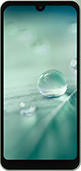
You get a basic 720p IPS display with 60Hz refresh rate, notch and thick bezels galore, with a small, compact body, an understated design made from recycled plastic bottles, and a set of shooters that's barely better than a toy camera.
Build-wise, the simple all-plastic build is somehow refreshing. I don't have to treat it like a fine piece of jewelry nor worry about nicks, dents, and bumps since it has no camera protrusion and its unibody design has a solid grip with IP68 rating and MIL-STD-810G protection.
As mentioned, the 5.5-inch 720p IPS display is your basic Sharp panel affair. No IGZO technology, no high refresh rate, no groundbreaking brightness.
There's no fancy Dolby Atmos stuff with its single down firing speaker nor any resemblance of bass is nowhere to be found. Even though it has 5G, it won't work outside its country of origin.
The cameras, for a lack of a better word, are serviceable. You can capture images sure, yet it has basic image tuning that is better for situations like document capturing or occassional shots.
What the Aquos wish offers however, is an intelligent charging mode takes power directly from the charger, protecting the battery while gaming.
Its 4GB RAM and 64GB of internal storage (which can be expanded up to a terabyte) is common during its release year (and up to this day with the Ramageddon happening), but this is one where it's screaming that you don't play on it.
On the charging aspect, it has a standard charging speed, while I don't know the exact watts, it charges from 20% to full in about 1 hour and 43 minutes, so that makes it around 2 hours from dead to 100%. The phone's 3,730mAh may sound small for today's standards, but it easily lasts around 2 days upon regular usage, so that's a win. With its small-form factor and efficient chip, this is perfect for the working class/day labourers.
Software updates are two years for major OS updates and 4-5 years security updates, depending on the carrier.Pros- Great build quality
- Long-lasting battery life
- IP68 and MIL-STD 810G certified
- Great for one handed usage
- Bypass charging
Cons- So-so photo and video quality
- Huge display bezels
- Sharp's own UI is annoying
- Mediocre performance
- 5G only works in Japan
- Barebones features is an acquired taste
- 6.4
- Screen7.0
- Performance7.0
- Camera7.0
- Connectivity7.0
- Battery7.0
View answers


This service may contain translations powered by Google. Google disclaims all warranties related to the translations, express or implied, including any warranties of accuracy, reliability, and any implied warranties of merchantability, fitness for a particular purpose and noninfringement.